The Eruption
The Calm Before the Disaster
Before the eruption in 79 CE, Mount Vesuvius appeared peaceful. The people of Pompeii went about their daily lives, unaware that pressure had been building beneath the mountain for years. Small earthquakes had occurred, but they were common in the region and did not cause serious alarm.
The Explosion Begins
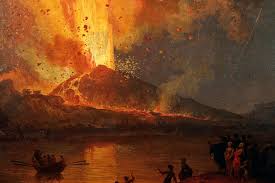
On August 24th, 79 CE, Vesuvius violently erupted. A massive column of ash, smoke, and volcanic gases shot high into the sky. The explosion could be seen from miles away. Within hours, ash and pumice stones began raining down on Pompeii, collapsing roofs and blocking streets.
A City Buried in Ash
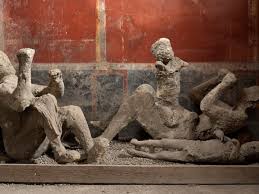
As the eruption continued, thick layers of ash covered the city. Many residents tried to escape, while others sheltered inside their homes. Eventually, pyroclastic flows swept through the area, instantly killing those who remained.
Preserved in Time
The volcanic ash hardened over time, preserving buildings, artwork, and even the shapes of victims. When archaeologists later uncovered Pompeii, they discovered a remarkably well preserved parts of Roman life. The eruption unintentionally created one of the most important archaeological sites in history.
The Legacy of Vesuvius
Mount Vesuvius remains an active volcano today. The eruption of 79 CE serves as a reminder of nature’s power and unpredictability. Scientists now carefully monitor the volcano to protect the millions of people who live nearby.