History of Pompeii
Early Beginnings
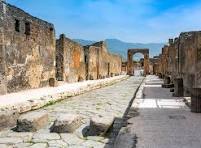
Pompeii was founded around the 7th or 6th century BCE near the Bay of Naples in southern Italy. Its location was ideal for trade because it sat close to the sea and along important travel routes. Over time, the city was influenced by several cultures, including the Greeks and the Etruscans, before eventually becoming part of the growing Roman Republic.
Roman Development
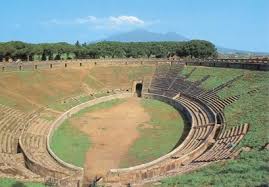
By the 4th century BCE, Pompeii had become a thriving Roman town. The Romans improved the city by building roads, temples, public baths, and a forum where citizens gathered for business and political meetings. The city also had an amphitheater, which hosted gladiator games and public events. Entertainment was an important part of daily Roman life.
Economy and Trade
Pompeii’s economy was strong and diverse. The surrounding volcanic soil was extremely fertile, allowing farmers to grow grapes, olives, and other crops. Wine and olive oil produced in the region were exported across the world. Shops, bakeries, and markets lined the streets, and merchants traded goods from across the Mediterranean.
Daily Life
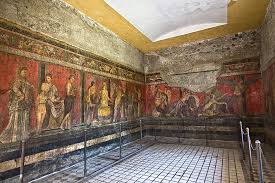
Life in Pompeii reflected the structure of Roman society. Wealthy families lived in large homes decorated with colorful frescoes and detailed mosaics, while poorer citizens lived in smaller apartments or modest houses. Public fountains provided water, and bathhouses served as important social centers where people gathered to relax and discuss news.
Earthquake of 62 CE
In 62 CE, a powerful earthquake struck Pompeii and caused serious damage to many buildings. Although reconstruction began quickly, signs of instability remained in the years that followed. Smaller tremors occasionally shook the city, but most residents continued their daily routines, unaware that a much greater disaster was approaching beneath Mount Vesuvius.